Resources
Your go-to knowledge base for everything IBC totes. Guides, answers, articles, and tools to help you make informed decisions.
Get a Free Quote
We respond within 24 hours
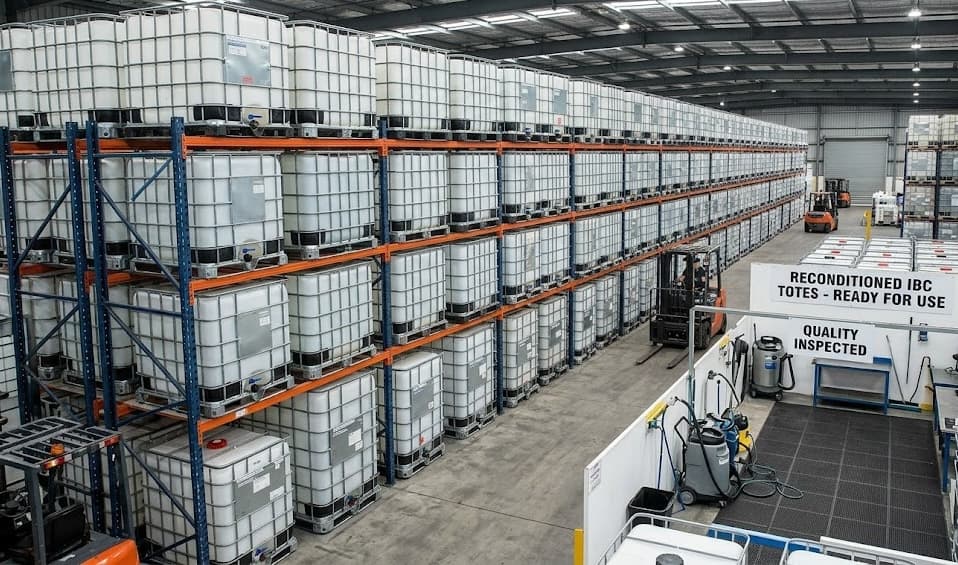
Your IBC Knowledge Hub
Most Popular Resources
These are the resources our customers use most. Whether you are new to IBC totes or a seasoned professional, there is something here for you.
The Complete IBC Tote Guide
GuideEverything you need to know about Intermediate Bulk Containers. Learn about types, materials, sizes, parts, UN ratings, storage, handling, cleaning procedures, and lifespan expectations. The most comprehensive IBC tote reference on the web.
- ✓11 in-depth chapters
- ✓Types, sizes, and specs
- ✓Storage, handling, and cleaning
- ✓UN rating system explained
Frequently Asked Questions
FAQGot questions about IBC totes? We have answers. Our FAQ covers everything from recycling and buying used containers to food safety, grading systems, cleaning, transportation, and pricing. Over 25 detailed answers to real customer questions.
- ✓25+ answered questions
- ✓9 topic categories
- ✓Buying and selling guidance
- ✓Regulatory compliance info
IBC Recycling Blog
BlogStay informed with our latest articles on IBC tote recycling, maintenance, food-grade standards, and industry best practices. Expert insights from our team to help you make smarter container decisions.
- ✓Expert industry insights
- ✓Maintenance best practices
- ✓Food-grade standards
- ✓Recycling trends and news
Eco Impact Calculator
ToolDiscover how much CO2, water, and raw material you can save by choosing recycled IBC totes over new ones. Enter the number of totes you need and see your environmental impact in real time.
- ✓Real-time calculations
- ✓CO2, water, and plastic metrics
- ✓Real-world comparisons
- ✓Shareable results
Quick-Start Guides
Step-by-step instructions for the most common IBC tote tasks. Follow these guides to get started quickly and confidently, whether you are buying, selling, cleaning, or choosing the right grade.
Buying Your First IBC Tote
New to IBC totes? Start here. We walk you through the key decisions: what size to choose, which grade fits your application, what to inspect before buying, and how to get the best value. Whether you need one tote for a home project or 100 for your warehouse, this guide covers the essentials.
- 1.Determine your capacity needs (275 vs. 330 gallon)
- 2.Choose the right grade (A, B, or C) for your application
- 3.Decide between used, reconditioned, or new
- 4.Inspect the bottle, cage, valve, and pallet
- 5.Arrange delivery or pickup from our Elk Grove Village facility
Selling Your Empty IBC Totes
Have used IBC totes sitting around your warehouse or yard? Turn them into cash instead of paying for disposal. We buy IBC totes in any condition, from pristine food-grade containers to heavily used industrial totes. Here is the process from start to finish.
- 1.Count your totes and note their approximate condition
- 2.Email us at info@ibcrecyclingchicago.com with photos and quantity
- 3.Receive a quote within 24 hours (usually same day)
- 4.Schedule a pickup at your location or drop off at our facility
- 5.Get paid on the spot when we collect your totes
Cleaning an IBC Tote for Reuse
Proper cleaning ensures your IBC tote is safe and effective for its next use. The cleaning method depends on what was previously stored, what you plan to store next, and whether food-grade or hazmat standards apply. Follow these general steps for non-hazardous cleaning.
- 1.Drain all residual product through the bottom valve completely
- 2.Rinse interior with pressurized water (1,000+ PSI recommended)
- 3.Apply appropriate cleaning agent based on previous contents
- 4.Allow cleaning agent to soak for the recommended contact time
- 5.Rinse thoroughly with clean water and allow to dry completely
Choosing the Right IBC Grade
Not sure which grade of used IBC tote is right for your project? The grade determines the condition, cosmetic appearance, and suitability for different applications. Understanding the grading system helps you get exactly what you need without overpaying.
- 1.Grade A: Excellent condition, minimal wear, food-grade compatible
- 2.Grade B: Moderate cosmetic wear, structurally sound, industrial use
- 3.Grade C: Significant wear, ideal for garden, rain barrels, non-critical storage
- 4.Consider reconditioned (rebottled) for like-new at lower cost
- 5.Ask us for photos and details before purchasing
Industry Resources and Regulations
IBC totes are governed by a range of federal and international regulations. These authoritative resources provide the official standards for transportation, food safety, environmental compliance, and workplace safety.
EPA - Used Container Regulations
The U.S. Environmental Protection Agency provides comprehensive guidance on the proper handling, cleaning, and disposal of used industrial containers, including IBC totes that have held hazardous materials. Key regulations include RCRA (Resource Conservation and Recovery Act) requirements for empty containers.
Visit Official SiteDOT - Hazmat Transport (49 CFR)
The Department of Transportation governs the transportation of hazardous materials in IBC totes under 49 CFR Parts 171-180. This includes UN certification requirements, container inspection schedules, marking and labeling standards, and documentation for hazmat shipments.
Visit Official SiteFDA - Food Contact Materials (21 CFR 177)
The Food and Drug Administration regulates materials used in food-contact containers under 21 CFR 177.1520. This standard governs the HDPE resins used in food-grade IBC tote bottles, including migration limits, approved additives, and testing protocols.
Visit Official SiteOSHA - Container Handling Safety
The Occupational Safety and Health Administration provides workplace safety standards for handling bulk containers, including forklift operation guidelines, personal protective equipment requirements, chemical exposure limits, and spill response procedures.
Visit Official SiteUN Recommendations on Transport of Dangerous Goods
The United Nations publishes the Model Regulations for the transport of dangerous goods, which form the basis for the UN rating system used on IBC totes worldwide. This document defines the testing standards, marking requirements, and classification system for all IBCs.
Visit Official SiteNFPA - Flammable Liquid Storage
The National Fire Protection Association publishes NFPA 30, the Flammable and Combustible Liquids Code, which includes specific requirements for storing flammable materials in IBC totes, including separation distances, fire suppression requirements, and containment standards.
Visit Official SiteDownloadable Resources
Printable checklists, spec sheets, and reference guides for your team. Use these documents in the field, warehouse, or office to standardize your IBC tote operations.
IBC Tote Inspection Checklist
A printable step-by-step checklist for inspecting used IBC totes before purchase or reuse. Covers the bottle, cage, pallet, valve, lid, gaskets, UN markings, and overall structural integrity. Use this checklist every time you receive or prepare to ship an IBC tote to ensure quality and safety compliance.
Contact us to request275-Gallon IBC Tote Spec Sheet
Complete specifications for the standard 275-gallon composite IBC tote, including dimensions, weight (empty and full), material properties, UN designation, temperature range, chemical compatibility overview, and stacking capacity. Ideal for engineering, procurement, and logistics teams.
Contact us to request330-Gallon IBC Tote Spec Sheet
Full specifications for the 330-gallon composite IBC tote. Same footprint as the 275-gallon model but 7 inches taller for 20% more capacity. Includes all dimensions, weights, compatibility data, and handling guidelines for warehouse and transport planning.
Contact us to requestIBC Cleaning Procedure Guide
Step-by-step cleaning procedures for used IBC totes, covering general rinse, alkaline wash, acid wash, food-grade sanitation, and hazmat decontamination protocols. Includes recommended cleaning agents, temperatures, contact times, and safety precautions for each method.
Contact us to requestChemical Compatibility Quick Reference
A quick-reference chart showing the compatibility of common chemicals with HDPE (the standard IBC bottle material). Organized alphabetically, with ratings for continuous exposure, short-term exposure, and not recommended. Essential for selecting the right container for your product.
Contact us to requestIBC Tote Grading Guide
Detailed descriptions and photo references for Grade A, Grade B, and Grade C used IBC totes. Helps buyers understand exactly what to expect at each grade level, including cosmetic condition, structural integrity, valve condition, and recommended applications for each grade.
Contact us to requestTo request any of these resources, email us at info@ibcrecyclingchicago.com and we will send them to you free of charge.
Video Resources
Visual guides and demonstrations covering IBC tote inspection, cleaning, rebottling, handling, and creative uses. Perfect for training your team or learning the basics.
How to Inspect a Used IBC Tote Before Buying
A walkthrough of the key inspection points when purchasing a used IBC tote: bottle clarity and integrity, cage condition, pallet stability, valve operation, lid seal, and UN markings. Know exactly what to look for to avoid buying a defective container.
IBC Tote Cleaning: Step-by-Step Process
Watch our technicians demonstrate proper IBC cleaning procedures, from initial drain and rinse through detergent application, high-pressure wash, and final inspection. Covers both general cleaning and food-grade sanitation methods.
How IBC Rebottling Works
See the complete rebottling process at our Elk Grove Village facility. We show how the old bottle is removed, the cage is inspected and repaired, a brand-new HDPE bottle is installed, and the tote receives a fresh UN certification stamp.
Safe Forklift Handling for IBC Totes
Essential forklift safety for IBC tote operations. Learn proper approach angles, tine insertion depth, load balancing for liquid loads, safe travel speeds, stacking techniques, and common mistakes to avoid. Required viewing for any warehouse with IBC inventory.
Understanding IBC UN Ratings and Labels
A detailed breakdown of the UN marking system on IBC totes. Learn how to read the container type code, packing group designation, manufacturing date, country of origin, and manufacturer ID. Essential for regulatory compliance.
IBC Tote Uses: From Industrial to DIY
Explore the many ways IBC totes are used beyond industrial storage. See real examples of rain barrels, aquaponics systems, livestock watering stations, garden irrigation setups, and creative repurposing projects from our customers.
Video content is coming soon. Subscribe to our updates to be notified when new videos are published.
IBC Tote Glossary
The IBC industry has its own vocabulary. Whether you are reading a spec sheet, reviewing a UN label, or talking to a supplier, this glossary covers every term you need to know.
IBC
Intermediate Bulk Container. A reusable industrial container designed for storing and transporting bulk liquids and granulated materials, typically holding 275 to 330 gallons.
HDPE
High-Density Polyethylene. The thermoplastic polymer used to manufacture the inner bottle of composite IBC totes. It is lightweight, chemically resistant, and FDA-approved for food contact.
Composite IBC
An IBC tote consisting of an HDPE inner bottle housed within a galvanized steel cage, mounted on a pallet base. The most common type of IBC in use worldwide.
Rebottling
The process of removing an old HDPE bottle from an IBC cage and installing a brand-new bottle. This reconditions the IBC at a fraction of the cost of a new unit and resets the UN certification date.
UN Rating
A standardized United Nations code stamped on every certified IBC tote, indicating the container type, materials, packing group, date of manufacture, country of origin, and manufacturer.
Packing Group
A UN classification indicating the danger level of hazardous goods that an IBC is certified to carry. Group I is highest danger, Group II is moderate, and Group III is lowest.
Butterfly Valve
A type of discharge valve with a rotating disc inside a cylindrical body. The standard valve type on most composite IBC totes, offering quick quarter-turn operation and good flow rates.
Ball Valve
A discharge valve using a rotating ball with a bore through its center. Preferred for viscous products and hazmat applications due to its tighter seal and more precise flow control.
Cage
The galvanized tubular steel framework that surrounds the inner bottle of a composite IBC. Provides structural integrity, enables stacking, and protects the bottle from impact and UV exposure.
NPS Thread
National Pipe Standard. The threading specification used on IBC discharge valves and fittings. The standard size is 2-inch NPS, though adapters are available for other thread types.
S60x6 Thread
A coarse-thread buttress connection commonly used on IBC discharge outlets in European-manufactured totes. Requires an S60x6 adapter to connect to NPS fittings.
Food Grade
An IBC tote whose HDPE bottle meets FDA 21 CFR 177.1520 standards for food contact and has only stored food-safe products throughout its entire history.
Reconditioned IBC
An IBC tote that has undergone a full refurbishment process including bottle replacement, cage inspection and repair, new valve and gaskets, and a new UN date stamp.
Grade A / Grade B / Grade C
A grading system for used IBC totes based on cosmetic condition and suitability. Grade A is excellent (food-grade capable), Grade B is moderate wear (industrial use), and Grade C is heavy wear (garden and non-critical use).
Blow Molding
The manufacturing process used to create HDPE IBC bottles. Molten plastic is inflated inside a mold using compressed air, forming the bottle shape. This produces a seamless, uniform container.
Galvanized Steel
Steel that has been coated with a layer of zinc to prevent corrosion. Used for IBC cages and some pallet bases. The zinc coating can last 15-20 years in normal conditions.
4-Way Entry
A pallet design that allows forklift tines to be inserted from all four sides. Standard on IBC tote pallets for maximum flexibility in warehouse handling and truck loading.
Containment
Secondary containment is a requirement for storing hazardous materials in IBC totes. It involves a spill pallet, berm, or dike that can hold 110% of the largest container volume in case of a leak.
EPDM Gasket
Ethylene Propylene Diene Monomer. A synthetic rubber gasket material used in IBC valves and lids. Offers good chemical resistance for general-purpose applications and a temperature range of -40F to 250F.
Viton / FKM Gasket
A fluoroelastomer gasket material offering superior chemical and high-temperature resistance. Used in IBC totes storing aggressive chemicals, solvents, and fuels. Temperature range of -15F to 400F.
PTFE / Teflon Gasket
Polytetrafluoroethylene gasket material providing the highest chemical resistance of all gasket types. Used for ultra-aggressive chemicals. Inert to virtually all substances but less flexible than rubber gaskets.
Tare Weight
The weight of an empty IBC tote without any product inside. A standard 275-gallon composite IBC has a tare weight of approximately 120-145 lbs depending on pallet type.
Gross Weight
The combined weight of the IBC tote plus its contents when full. A 275-gallon IBC filled with water has a gross weight of approximately 2,400 lbs.
Spill Pallet
A containment platform designed to catch spills or leaks from IBC totes. Required by EPA and local regulations when storing hazardous liquids. Typically holds 1 to 4 IBC totes and captures 110% of the largest container volume.
Looking for Something Specific?
Browse our latest blog articles for expert insights on IBC tote recycling, maintenance, and industry trends.
Get IBC Industry Updates
Stay up to date with the latest IBC tote recycling news, pricing trends, regulatory changes, and expert tips from IBC Recycling Chicago. We send occasional updates with genuinely useful content for businesses that buy, sell, or use IBC totes. No spam, no fluff, just practical information you can use.
What You Will Receive
Pricing Updates
Current market pricing for used and reconditioned IBC totes in the Chicagoland area.
Inventory Alerts
Be first to know when we receive large shipments of specific grades or sizes.
Regulatory Changes
Updates on DOT, EPA, FDA, and UN regulations that affect IBC tote users.
Expert Tips
Practical advice on cleaning, storage, handling, and maximizing the lifespan of your totes.
To subscribe, send an email to info@ibcrecyclingchicago.com with the subject line “Subscribe to Updates” and we will add you to our mailing list.
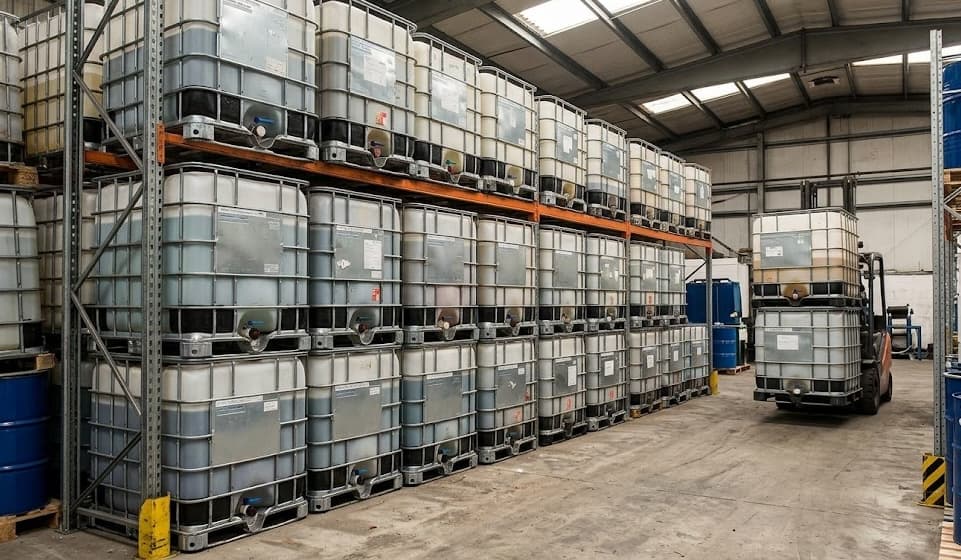
Organized Warehouse Storage
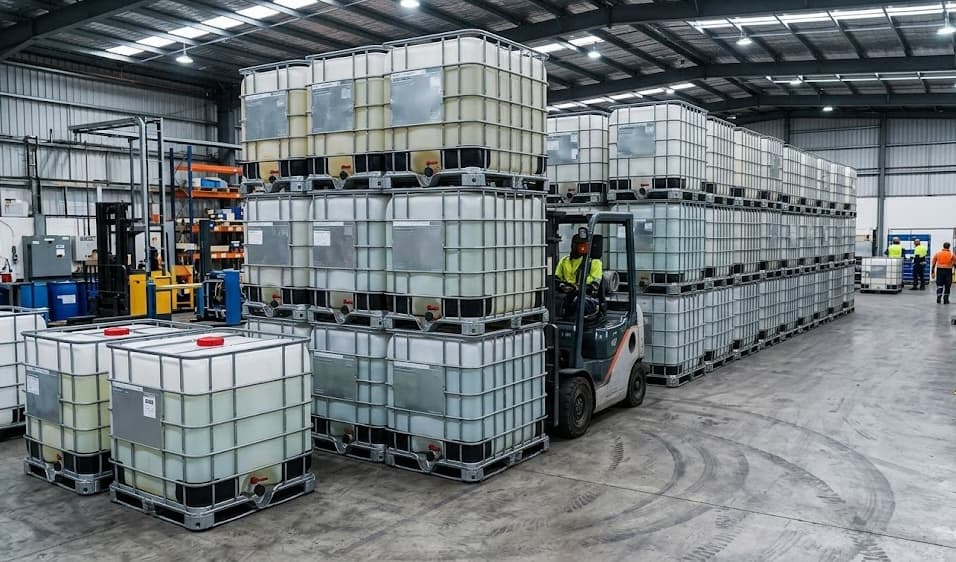
Efficient Forklift Operations
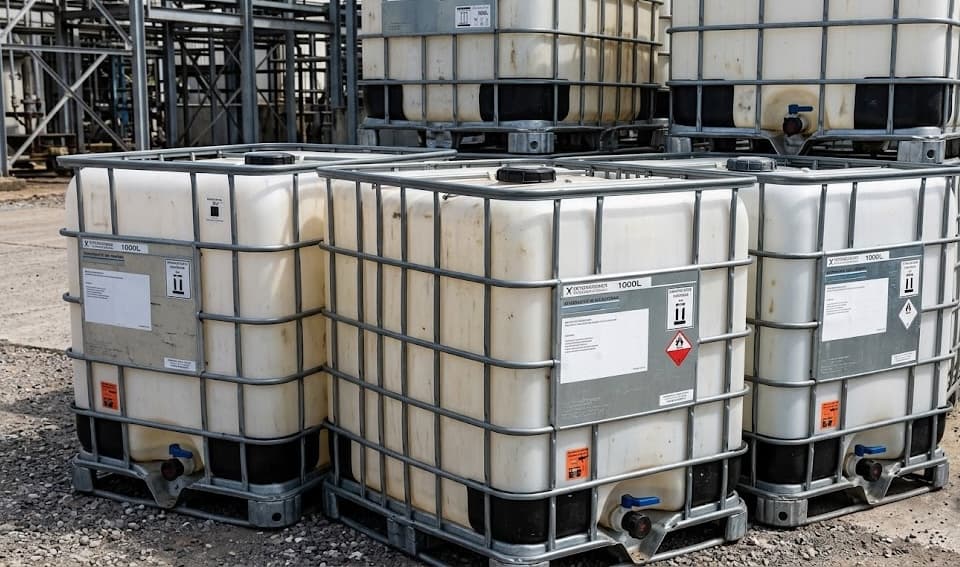
Quality IBC Totes Ready to Ship
Still Have Questions?
Our team is always happy to help. Reach out and we will get back to you within 24 hours. Whether you need help choosing the right tote, want a price quote, or have a technical question, we are here for you.
IBC Recycling Chicago • 2645 American Ln, Elk Grove Village, IL 60007 • info@ibcrecyclingchicago.com